FurlerBoom In-Boom Furling: Performance, Precision and Easier Sail Handling
As sailing yachts become larger and sail plans more powerful, the way a mainsail is handled becomes increasingly important.
For owners who sail short-handed, cruise offshore or simply want greater control when conditions change, an in-boom furling system can make a significant difference. But convenience does not have to come at the expense of sailing performance.
FurlerBoom is designed around that principle: keeping the advantages of a modern, fully battened mainsail while making reefing and furling more manageable from the cockpit.
Seeing the system in practice
There is a considerable difference between understanding how a system works on paper and seeing it installed, commissioned and sailed.
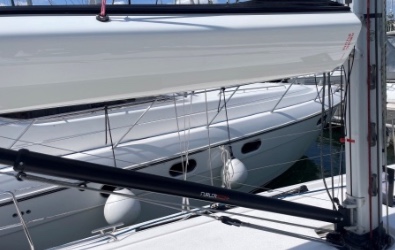
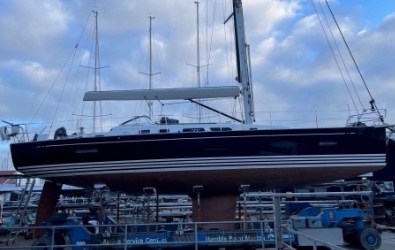
In this video, Fortis Marine Head of Service Julien Renault takes us through a complete FurlerBoom installation aboard an Xc 45, from the preparation and fitting through to sea trial and final handover.
The project also includes the owner's perspective, providing a valuable insight into the experience of undertaking a substantial retrofit and the importance of communication and attention to detail throughout the process.
For the owner, the finished system should feel simple. Behind that simplicity, however, is careful preparation, accurate installation and thorough commissioning.
That is particularly important with a furling system, where the boom, sail, rigging and control lines all need to work together precisely.
Retaining the shape of a modern mainsail
One of the principal differences between in-boom and in-mast furling is what can be achieved with the mainsail itself.
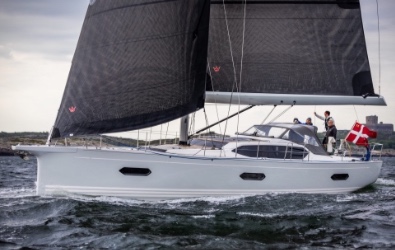
Because the sail is housed within the boom rather than the mast, FurlerBoom can accommodate a fully battened mainsail with a generous roach. This allows the sail designer greater freedom to develop an efficient and powerful sail shape.
For the sailor, that means retaining much of the character and performance of a conventional fully battened mainsail while gaining the convenience of a furling system.
It is a particularly attractive combination for owners who want a yacht that is comfortable and manageable when cruising, but still rewarding when the conditions are right for sailing.
Reefing when conditions change
The real test of any furling system comes when the wind increases and sail needs to be reduced.
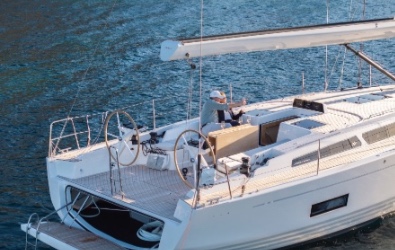
With FurlerBoom, the mainsail can be reefed or furled from the cockpit, allowing the crew to respond to changing conditions without having to go forward to the mast.
That can be especially valuable when sailing with a small crew. Reducing sail earlier and progressively is often preferable to waiting until the yacht is overpowered and sail handling becomes more demanding.
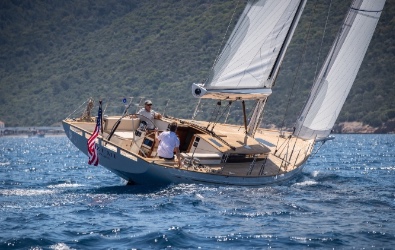
In this sailing video, Sales Manager Stuart Abernethy demonstrates an in-boom furling mainsail aboard an X-Yacht, sharing practical advice on its operation.
Correct operation matters. Boom angle, sail alignment and the way the mainsail is fed into the boom all contribute to how smoothly the system works. Our third video takes a closer look at the reefing process itself, demonstrating an in-boom furling mainsail being reefed in practice. For owners new to in-boom furling, seeing the process in real conditions is often the clearest way to understand the system.
Engineered for the individual yacht
A FurlerBoom is not simply selected according to the length of the yacht and fitted in place.
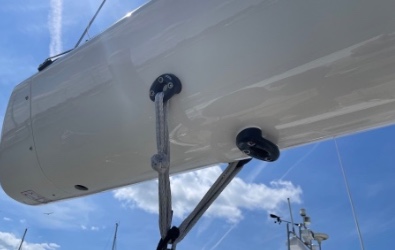
Every installation needs to take account of the yacht's dimensions, sail plan, loads and existing rig configuration. Reinforcements are designed around the particular requirements of the installation, including boom sheeting, kicker loads and other rigging loads.
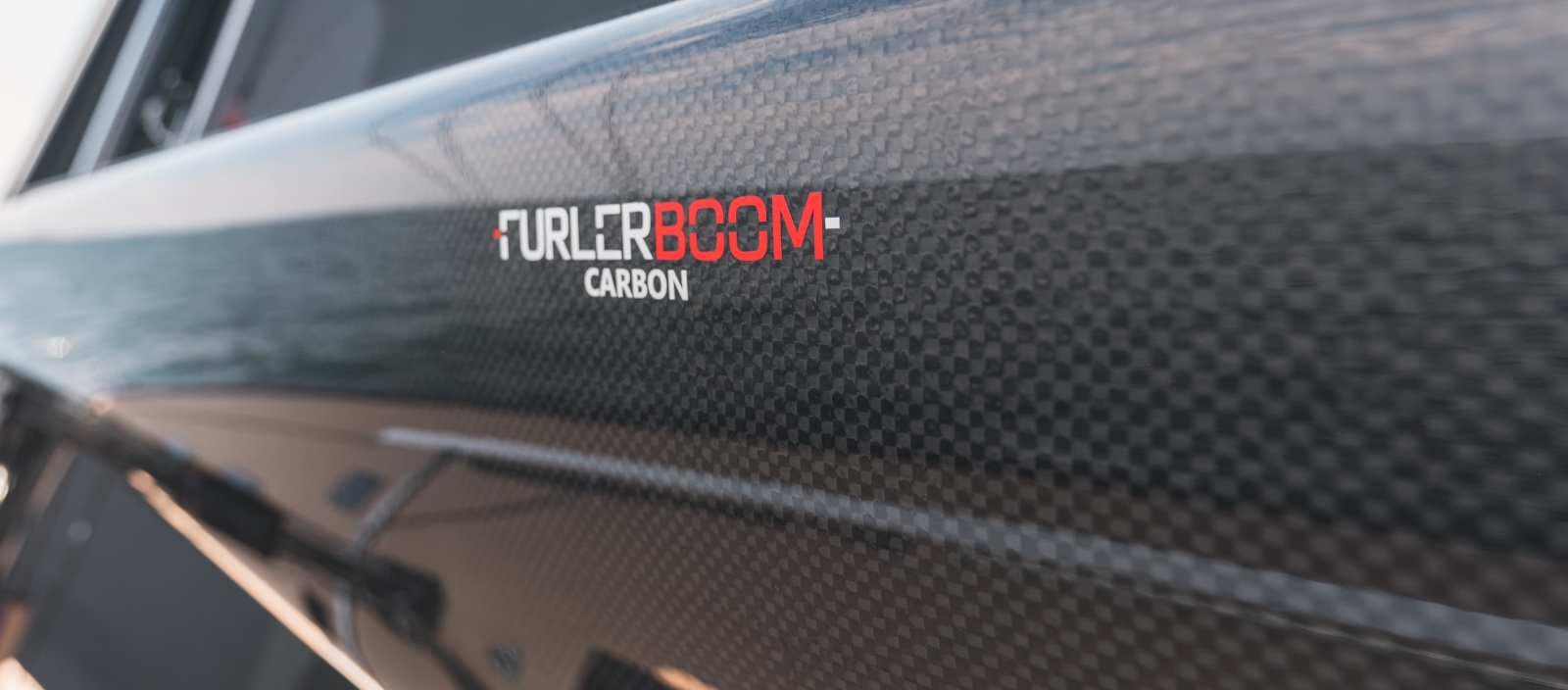
Construction can be specified in fibreglass or carbon fibre. The lightweight composite design helps reduce weight in the boom, while carbon construction can offer further weight savings and strength where appropriate.
Manual and electric operating options are also available, allowing the system to be specified according to the yacht and the owner's requirements.
This level of customisation is particularly important when considering a retrofit. The new boom needs to integrate properly with the existing rig, mainsail, deck hardware and control systems rather than being treated as a standalone component.
Retrofit or new build
Furler Boom can be specified for a new yacht or incorporated into an existing yacht as part of a refit.
For an existing yacht, the process begins well before the installation itself. The yacht, rig and existing sail plan need to be assessed, with the proposed system considered alongside the way the owner actually sails.
Fortis Marine has been carrying out yacht retrofit projects for more than a decade, bringing practical experience of integrating new systems into existing yachts while respecting the original design and installation. That experience is particularly valuable when a project involves several elements working together — from the rig and boom through to the sail, deck hardware and control systems.
The Xc 45 installation featured in our film is a good example of this approach. From the initial preparation to the final sea trial, each stage is important in achieving the smooth operation expected from the finished system.
The value is in the detail
A furling system is something most owners notice most when it doesn't work properly.
Friction, poor alignment, incorrect sail feeding or an installation that has not been properly commissioned can all undermine the benefits of the system.
Good installation therefore goes beyond fitting the equipment. It is about understanding the relationship between the yacht, rig, sail and furling mechanism, and making sure those elements work together as intended.
That is where experience matters.
FurlerBoom through Fortis Marine
Fortis Marine is an official FurlerBoom agent for the UK and Ireland, supporting both new-build and retrofit projects from initial specification through to installation, commissioning and ongoing technical support.
With more than 25 years of experience working with sailing yachts, and more than a decade of carrying out retrofit projects, our technical team understands the practical considerations involved in integrating new systems into existing yachts.
Whether FurlerBoom is being considered for a new yacht or as an upgrade to an existing boat, we take the time to understand the yacht, its existing configuration and the way it will be sailed.
The aim is straightforward: a system that is correctly specified, carefully installed and properly commissioned, so that once you are back on the water, the technology becomes almost invisible.
The mainsail is there when you want the power, and away when you need to reduce it.
To discuss FurlerBoom for your yacht, contact Fortis Marine Service Team.