Winterisation: Preparing Your Yacht for Winter
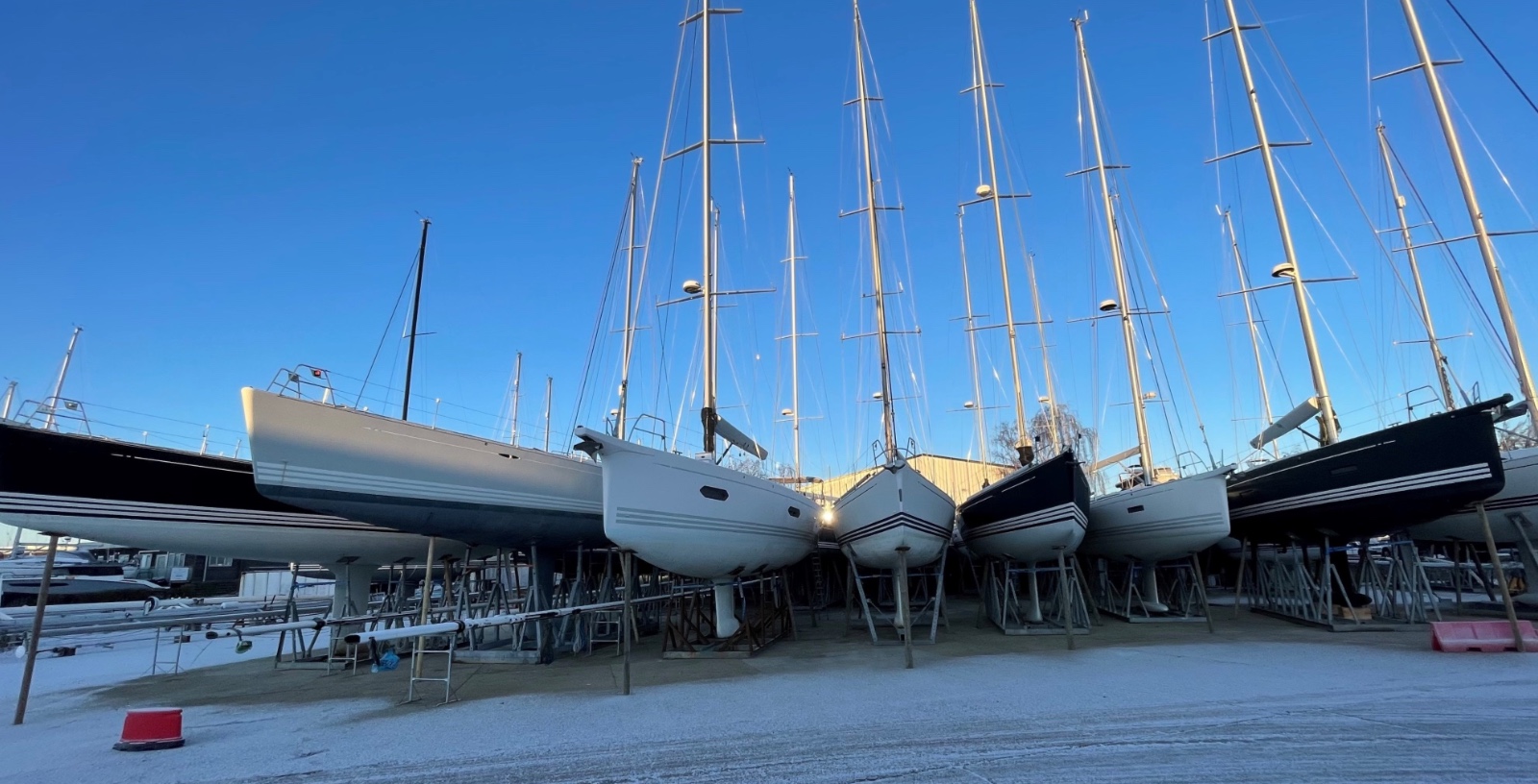
Essential Checks and Maintenance Ahead of the Next Sailing Season
As the sailing season comes to an end, preparing your yacht for winter should become a priority. But winterisation is about more than protecting a boat from colder weather. It is also the right time to inspect equipment, identify wear and carry out maintenance before the next sailing season.
At Fortis Marine, our Service Centre at Hamble Point Marina repairs and manages more than 50 yachts each year, from routine servicing to larger repairs and refit projects.
Why Winter Maintenance Matters
A yacht can appear to be in good condition after a season on the water, while certain components may already be showing signs of wear or deterioration.
Regular inspections help identify issues such as corrosion, water ingress and mechanical wear before they develop into more costly repairs.
The winter months also provide time to investigate problems properly, order replacement parts and complete work without the pressure of an approaching sailing trip.
What Does Winterisation Involve?
The work required will depend on the yacht's age, condition, equipment and whether it will remain afloat or be lifted ashore.
Key areas to consider include:
- Engines and fuel systems: Engine and saildrive servicing, fuel tank inspections, filters and checks for diesel contamination.
- Masts, rigging and sails: Rig inspections, checks for wear, sail repairs and maintenance of covers and canvas.
- Hull and underwater fittings: Antifouling, propellers, anodes, seacocks and underwater hull inspections.
- Steering and rudder systems: Checking for wear, stiffness, cracks and signs of water ingress.
- Electrical systems: Battery testing, connections and corrosion checks.
- Deck equipment: Winch and windlass servicing, teak deck inspections and maintenance of exposed fittings.
Not every yacht will need the same work each year. A careful inspection helps establish which items require immediate attention and which can be planned as part of ongoing maintenance.
Why Early Inspections Make a Difference
Some of the most important checks involve areas that are not easily accessible during the sailing season.
A rudder, for example, may show only minor external signs of a problem. Cracks around the stock, brown staining or evidence of water ingress can warrant further investigation, including moisture testing and bearing inspection.
Similarly, lifting a yacht ashore allows closer examination of the hull, propeller, anodes and seacocks.
Identifying these issues during winter provides time to assess their condition and carry out any necessary repairs before the yacht returns to regular use.
When Should You Arrange Winterisation?
Ideally, winter maintenance should be planned towards the end of the sailing season, before temperatures begin to fall.
Yachts remaining afloat also need preparation, particularly where engines, freshwater systems, batteries and equipment may be affected by prolonged periods of cold or inactivity. Freshwater tanks, pumps and external showers should be drained or appropriately winterised to prevent frost damage. Keeping the interior clean, dry and well ventilated, and removing moisture-sensitive items, can also help reduce condensation and mould. It is also a good opportunity to check safety equipment ahead of the next season.
For yachts being lifted ashore, winter offers the opportunity to combine routine servicing with inspections, repairs or planned upgrades.
Arranging the work early gives owners and the technical team time to agree priorities and schedule any additional maintenance.
Arrange Your Winter Maintenance
To discuss your yacht's winter maintenance requirements or arrange an inspection, please contact Julien Renault, Head of Service, at Fortis Marine.